Detroit Beat, Sound Of Flint And Rio Da Yung OG
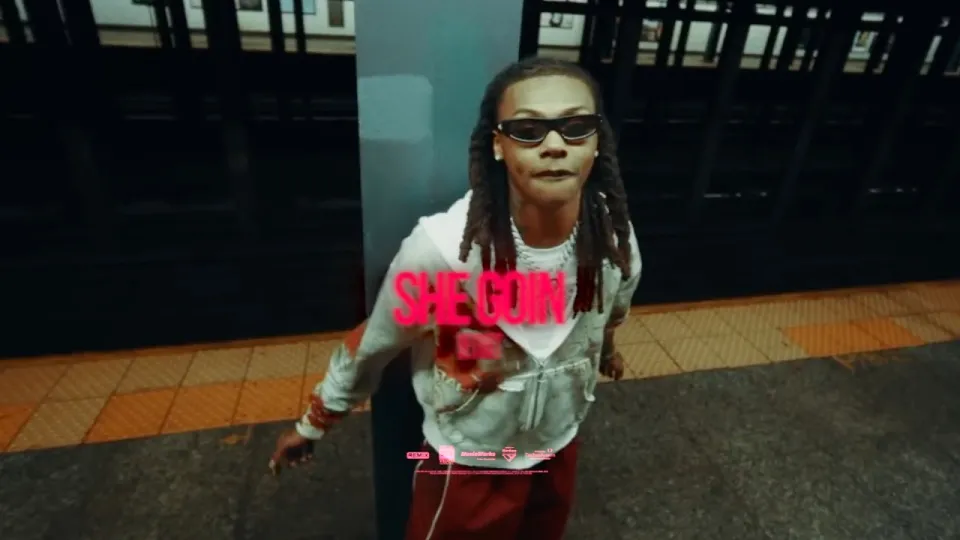
Video: [FREE] “She Goin” - Rio Da Yung OG x Babyfxce E Type Beat | Detroit Type Beat
Want articles like this for your own video to promote it on YouTube and Google? Order them through the Telegram bot @sat_sit_bot. The bot writes and publishes the articles itself (with your YouTube video embedded) on popular topical websites (no ads). Try it free: 50 articles on us.
Key takeaways
- Detroit beat is a Michigan rap production style built on 140–160 BPM, hard 808s and dark minor-key melodies.
- Rio Da Yung OG and Babyfxce E are the most requested names for Flint and Detroit type beats.
- Free type beats like "She Goin" are licensed for non-profit use only; for-profit use needs a paid license.
- Written credit is required: "Produced by (Producer Name) for SoundFirst Productions".
- The beat from Reuel StopPlaying is sold via https://bit.ly/2mxSONh with an exclusive or non-exclusive license.
A Detroit beat is a rap instrumental built on Michigan's signature formula: 140–160 BPM, booming 808 bass, clipped hi-hats and cold, minor-key melodies. The style is shared between Detroit and Flint artists, which is why a single instrumental can be labeled a Detroit type beat, a Flint type beat or a Rio Da Yung OG type beat. One recent example is the free "She Goin" beat by producer Reuel StopPlaying, made for Rio Da Yung OG and Babyfxce E — you can buy this beat here if you want the licensed version instead of the free non-profit download.
What Defines The Detroit Beat Sound
The Detroit beat sound is a stripped-down, aggressive template that puts the rapper's voice in front of everything else. Producers keep the arrangement sparse on purpose: an eerie piano or synth loop, a sliding 808 line, fast hats and a snare that lands like a punch. Nothing competes with the vocal.
The core elements are consistent across the scene:
- Tempo between 140 and 160 BPM, often felt as a halftime groove.
- Deep 808 bass that carries the melody as much as the synth does.
- Dark, minor-key loops — pianos, bells, flutes or detuned pads.
- Tight, repetitive hi-hat patterns with occasional triplet rolls.
- Minimal percussion beyond kick, snare, hats and a single accent sound.
That combination is why the beats are often described as menacing or cinematic. The genre rewards space: a beat that leaves room for punchlines and ad-libs works better than a dense, layered production.
Detroit, Flint And The Artists Behind The Search
Detroit and Flint rap share a production language, but the search terms around them differ. Listeners type "Detroit type beat" when they want the wider Michigan sound, and "Flint type beat" when they want the rawer, slower, more lo-fi version associated with Flint rappers.
The names that drive most type beat searches in this space:
- Rio Da Yung OG — deadpan delivery, dense punchlines, a favorite reference for dark piano loops.
- Babyfxce E — a younger Flint voice, often paired with bouncier, more melodic instrumentals.
- Babytron — the most streamed entry point into Michigan rap for outside listeners.
- YSR Gramz, RMC Mike, GrindHard E, Krispylife Kidd, Ak Bandamont — the wider roster that producers tag in titles.
A type beat is not an official instrumental from the artist. It is an original production made to sit in the same lane, so an unknown rapper can record over it and reach an audience already searching for that sound. That is exactly how a title like "Rio Da Yung OG x Babyfxce E Type Beat" works: it tells the listener what the beat sounds like before they press play.
How Free Type Beats Are Licensed
Free type beats are almost never free for commercial release. The standard model used by producers on YouTube is a free download for non-profit and promotional use, with paid licensing required the moment money is involved.
What the free tier typically allows:
- Free demos and promo CDs.
- Uploading your song to streaming platforms and social media as a non-monetized showcase.
- Live performances that are not run for profit.
What it forbids:
- Selling the song, monetizing the video or releasing it through a paid distribution deal.
- Registering the recording for commercial revenue without a license.
Credit is mandatory in both cases. The required format is: "Produced by (Producer Name) for SoundFirst Productions". That line has to appear in the description of every upload and on any physical or digital release using the beat. If written credit is impossible — for example, in a live radio drop — a spoken vocal credit is required instead. Producers also reserve the right to change the policy, and a Non-Exclusive or Exclusive license must be purchased for any for-profit use.
Buying The Beat And Getting The Files
Buying a type beat is a straightforward transaction, but the details matter more than the price. A paid license usually comes in two forms: non-exclusive, where the producer can still sell the same beat to other artists, and exclusive, where the beat is removed from sale after purchase.
Before you pay, confirm four things:
- Which license you are getting — non-exclusive or exclusive.
- Whether the untagged WAV and trackout stems are included.
- Whether the beat will be taken down from YouTube after an exclusive sale.
- What the credit line must say and where it has to appear.
If you only need a demo or a free upload, the non-profit route is enough. If you plan to monetize, distribute through a distributor or pitch to playlists, budget for the license first — otherwise the release can be pulled later.
Common Questions From Listeners
Most comments under free type beats repeat the same handful of concerns, and they are worth answering directly.
Can I just screen-record the beat instead of downloading it? Technically yes, but audio quality drops and you still owe the credit line. A proper download gives you a clean file and keeps you inside the free-use terms.
How much does the beat cost? Pricing depends on the license type and the producer. Non-exclusive licenses are typically cheaper and keep the beat available to others; exclusive licenses cost more and remove it from the store.
Will the video be taken down if I buy the beat? That depends on the deal. Some producers remove the free upload after an exclusive sale, some leave it up. Ask before paying.
What 808 is used? Producers rarely disclose exact presets, but the Michigan sound leans on long, distorted 808s tuned low with a fast pitch glide. The character comes more from tuning and distortion than from a single sample.
Useful Links
- Buy the beat: https://bit.ly/2mxSONh
- Producer on Twitter: https://twitter.com/reuelethan
- Producer on Instagram: http://instagram.com/Reuelethan
Final Thoughts On The Michigan Sound
The Detroit beat is less a single preset than a set of rules: mid-tempo, dark melody, heavy 808, and a mix that lets the rapper dominate. Rio Da Yung OG and Babyfxce E type beats keep that formula in demand because the search itself signals a specific mood — cold, direct, conversational. If you want to record over the "She Goin" instrumental, grab the licensed version here and check the credit requirements before you upload. This breakdown was put together by the channel Reuel StopPlaying, which publishes free Detroit and Flint type beats and the licensing terms that come with them.
Questions & answers
What is a Detroit beat?
A Detroit beat is a rap instrumental in the Michigan style: roughly 140–160 BPM, heavy sliding 808 bass, clipped hi-hats and dark minor-key melodies. It is designed to leave space for punchline-driven vocals. The same template is often labeled a Flint type beat when the sound is rawer and slower.
Can I use a free Detroit type beat for a monetized song?
No. Free downloads are normally limited to non-profit, promotional and personal use, such as demos, non-monetized uploads and non-profit shows. Any for-profit release requires a paid Non-Exclusive or Exclusive license, plus the required written credit line on all distributions.
What credit do I have to give when I use the beat?
The standard credit format is "Produced by (Producer Name) for SoundFirst Productions". It must appear in the description of every upload and on any physical or digital release. If written credit is impossible, a recorded vocal credit is required instead.
What is the difference between a Rio Da Yung OG type beat and a Babyfxce E type beat?
Both sit in the Michigan lane, but Rio Da Yung OG type beats usually lean darker and more minimal to match a deadpan delivery, while Babyfxce E type beats often use bouncier, more melodic loops. Producers tag both names because listeners search by artist to find a specific mood.
Source: [FREE] “She Goin” - Rio Da Yung OG x Babyfxce E Type Beat | Detroit Type Beat · Markdown version